


Schedule A Consultation 813-736-1300
How to Get a Hardship License After a DUI in Florida
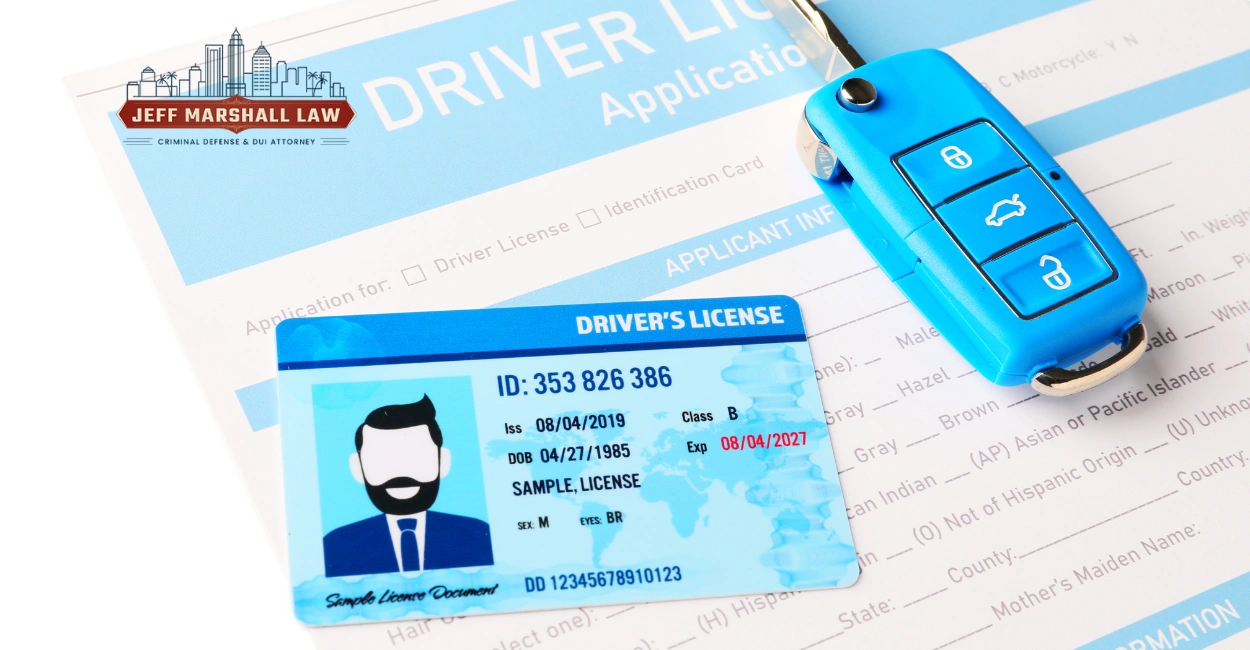
Losing your license after a DUI arrest can upend your life when you still need to get to work, pick up your kids, or make court dates and treatment appointments. Florida doesn’t leave most drivers stranded.
A hardship license is a restricted permit from the Department of Highway Safety and Motor Vehicles that lets you drive for specific, necessary reasons while your suspension runs. The process has strict deadlines, and a missed step can cost you weeks of driving you can’t get back.
Jeff Marshall Law helps Tampa Bay drivers sort through these requirements so they can get back on the road as soon as the law allows.
Key Takeaways
- Florida’s hardship license is officially called a “business purposes only” or “employment purposes only” permit, and the DHSMV issues it, not the criminal court.
- You generally have 10 days after your arrest to request a review hearing or a restricted license.
- First-time offenders who fail a breath test usually wait 30 days, and a refusal usually means 90 days. Some true first-time offenders can skip the wait entirely.
- Second and third DUI convictions come with much longer waits and extra conditions, including a possible ignition interlock device.
- DUI school enrollment is required before the DHSMV will even look at your application.
What Is a Hardship License in Florida?
A hardship license is a restricted driving privilege the DHSMV grants after a suspension or revocation, and Florida law defines two versions of it. A driving privilege restricted to business purposes only covers any driving necessary to maintain your livelihood, including work, school, church, and medical trips.
The narrower version, employment purposes only, is limited to driving to and from work and any necessary on-the-job driving required by your employer or occupation.
An attorney can help you figure out early which restriction applies and what the DHSMV will expect at your hearing.
How Does a DUI License Suspension Work in Florida?
Two separate suspensions can follow a DUI arrest. The first is an administrative suspension that starts at arrest if you failed or refused a breath test. You can request a formal or informal review within 10 days, or ask for a review of your eligibility for a restricted license.
The second is a court-ordered suspension that follows a DUI conviction. A first conviction brings a suspension of 6 months to 1 year. A second within 5 years brings a revocation of at least 5 years, and a third within 10 years brings at least 10 years.
If your case is in Tampa’s Thirteenth Judicial Circuit, both tracks can run at the same time, and the paperwork gets confusing fast.
How Soon Can You Apply for a Hardship License After a DUI?
Timing depends on your test result and your record:
- First offense, failed breath test: a 30-day hard suspension before you can apply.
- First offense, test refusal: a 90-day hard suspension.
- True first-time offenders: if you’ve never had an administrative suspension, a commercial license disqualification, or a DUI conviction, you may skip the hard suspension by waiving your review hearing.
- Second conviction within 5 years: you can apply for a hardship license after one year, but you’ll stay in a supervision program for the rest of the revocation.
- Third conviction within 10 years: you can apply after two years.
Waiving your administrative hearing can get you driving sooner, but it also gives up your chance to contest the suspension, so weigh that trade-off before you sign anything.
What Do You Need to Qualify for a Hardship License?
The DHSMV won’t open your file without proof that you’ve enrolled in or finished a licensed DUI program, plus the reinstatement fee and any other license fees.
You’ll also need proof of insurance through an FR-44 filing, which carries higher coverage limits than an ordinary SR-22.
If your blood alcohol level was 0.15 or higher, or a minor was in the car, an ignition interlock device is mandatory for at least six months.
Your criminal case also shapes this timeline. Florida doesn’t allow a withhold of adjudication on a DUI, but a plea to a reduced charge, such as reckless driving, can change both your record and your license picture. The firm’s experience on both sides, as prosecutors and as public defenders, helps show how each plea option plays out.
What Happens With a Second or Third DUI in Florida?
Repeat offenses change both the revocation length and what the DHSMV demands before reinstatement. A second conviction requires an ignition interlock for at least one year, and a third requires at least two years once you’re eligible to drive again.
Repeat offenders also usually need to enroll in a local Special Supervision Services program before applying. That program adds its own evaluations and fees on top of DUI school, so budget time and money for both.
What Can You Drive For With a Business Purposes Only License?
Once approved, your permit covers specific driving only. A business purposes license generally covers:
- Driving to and from work
- Necessary on-the-job driving
- School and other educational purposes
- Church and medical appointments
Driving for social or recreational purposes can lead to revocation of the permit and more suspension time. Treat the list as a hard boundary, because one violation can undo months of compliance.
Frequently Asked Questions
How long does it take to get a review hearing on my license?
If you request a formal review hearing, the DHSMV must schedule it within 30 days. Waiving the hearing and applying directly can move faster in some cases, so ask your attorney which path fits.
Can I get a hardship license if I hold a commercial driver’s license?
Not for commercial driving during your suspension. A commercial driver’s license cannot be issued while your driving privilege is suspended, revoked, or canceled. You may still qualify for a standard business purposes permit for personal driving needs.
Do I need to hire an attorney to apply for a hardship license?
You’re not required to have one, but the paperwork, deadlines, and hearing prep trip up many people who go it alone.
Will a hardship license stay on my driving record after my suspension ends?
The restriction ends once you finish the reinstatement requirements and get a full license back. A DUI conviction itself stays on your Florida driving record for 75 years, and Florida law doesn’t allow a DUI conviction to be sealed or expunged.
Jeff Marshall Law: Your DUI Defense Law Firm
Getting a hardship license after a DUI in Florida usually means handling two problems at once: the DHSMV paperwork and the criminal case still moving through court.
The team at Jeff Marshall Law has worked inside both a prosecutor’s office and the Public Defender’s Office for the Thirteenth Judicial Circuit. That experience shows how the two processes affect each other long before a hardship hearing.
It shapes how we approach plea timing, paperwork, and hearing prep for Tampa Bay clients. If a DUI has put your license on the line, don’t wait out the clock alone. Contact our firm today.
Florida DUI Resources:

Request Your
Free Consultation
Fields Marked With An “*” Are Required
Schedule A Consultation
Centro-Ybor Office
1600 E. 8th Ave; Ste A200
Tampa, FL 33605
Copyright © 2026 Jeff Marshall Law, • All Rights Reserved.
Digital Marketing By 