


Schedule A Consultation 813-736-1300
What Happens At First Court Appearance For DUI in Florida
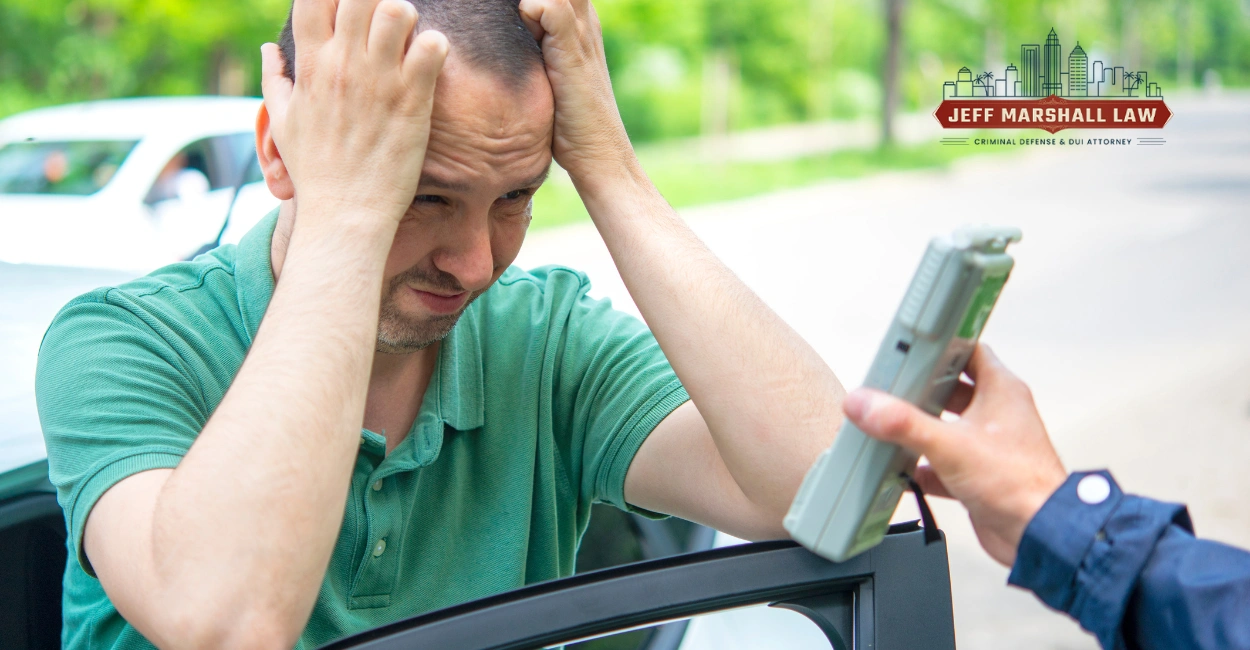
You got arrested for DUI in Tampa, and now there’s a court date on your calendar with no explanation of what it means. What happens at your first court appearance for a DUI in Florida is less dramatic than most people expect. It’s a short procedural hearing, not a trial, and it usually happens before you’ve hired anyone.
A judge reads the charge, decides whether you go home, and sets the rules for getting there. None of that decides how your case ends.
Jeff Marshall has seen this hearing from both sides of the courtroom, first as a prosecutor and later as a senior public defender in Hillsborough County, and that view is worth knowing before you walk in.
Key Takeaways
- Florida law requires you to be brought before a judge within 24 hours of a DUI arrest for this hearing, called a first appearance.
- The judge sets bond and release conditions here. Guilt or innocence isn’t decided.
- A separate clock, the DHSMV’s 10-day rule, starts the day your notice of suspension is issued, usually the day you’re arrested, not when you see a judge.
- If you can’t afford a lawyer, the judge can appoint the public defender on the spot.
- First appearance and arraignment are two different hearings, and mixing them up costs people time they don’t have. Before you walk into a Hillsborough County courtroom without knowing what’s coming, call a DUI attorney who has seen this hearing from both the prosecution and defense sides.
What Is a First Appearance in a Florida DUI Case?
First appearance is your first stop after booking, and it exists to check one thing fast: are you being held lawfully, and under what conditions.
Under Florida Rule of Criminal Procedure 3.130, every arrested person must be taken before a judicial officer within 24 hours of arrest. If you’re booked into an Orient Road or Falkenburg Road jail cell after midnight, expect to appear the next afternoon over video from the jail. It’s fast, brief, and not where your DUI case gets decided.
What Happens During the First Appearance Hearing?
The judge moves through the same short list for nearly every defendant. Expect three things in a matter of minutes:
- The judge tells you the exact charge against you and gives you a copy of it.
- The judge asks whether you can afford a lawyer and appoints a public defender if you can’t.
- The judge sets bond or release conditions, from a signature bond up to a cash amount. None of this touches the facts of your stop, your breath test, or your field sobriety exercises. Save that fight for later.
How Much Will Bond Cost, and What Conditions Come With It?
For a standard first-offense misdemeanor DUI, Hillsborough County runs on a set bond schedule, so most people know the number before they see the judge. Felony DUI charges, like a third offense or a case involving injury, work differently: there the judge has more room to set a higher bond or add real restrictions.
Conditions can include no drinking, random testing, or a device that monitors alcohol use around the clock. A judge weighs your record, the facts of the arrest, and flight risk before landing on a number. Getting this wrong at first appearance can mean days in custody you didn’t need to spend there.
A DUI attorney who knows the Thirteenth Judicial Circuit’s habits can sometimes argue for release conditions before the hearing even starts.
Your License Is Already on the Clock
Here’s the piece most people miss. The DHSMV’s 10-day deadline to request a formal review hearing starts the day your notice of suspension is issued, usually the day you’re arrested, not your court date. By the time first appearance happens, you may already have used a third of that window.
This process runs on its own timeline through the Florida Department of Highway Safety and Motor Vehicles, separate from anything happening in the criminal courtroom. Miss it, and your license suspends on its own, regardless of how the criminal charge under Florida’s DUI statute turns out.
Do You Need an Attorney at First Appearance?
You can technically show up alone, but the hearing moves fast and the public defender assigned that day usually hasn’t seen your file yet. A lawyer who’s already reviewed your citation and breath test paperwork can push back on bond conditions before the judge signs off.
Jeff Marshall spent 12 years as a trial lawyer and senior division chief at the Public Defender’s Office for the Thirteenth Judicial Circuit before opening his own practice, and began his career on the prosecution side in Detroit. That mix of seats gives a real read on how a Hillsborough County judge is likely to rule at first appearance, before it happens.
If you’re weighing whether to wait or call now, waiting rarely helps. Bond conditions and license deadlines don’t pause for you to decide.
First Appearance vs Arraignment: What Comes Next?
These two hearings get confused constantly, and the mix-up causes missed dates. Here’s the actual order:
- First appearance happens within 24 hours of arrest and covers bond and basic rights.
- Arraignment happens weeks later, after the State has filed formal charges, and this is where you enter a plea.
- Discovery, pretrial motions, and negotiations all happen in the gap between the two. Skipping either hearing can trigger a warrant for your arrest, so both dates matter even though only one decides your bond.
A DUI attorney in Florida can appear on your behalf at arraignment in most misdemeanor cases, saving you a trip to the Hillsborough County courthouse. Contact our firm today to talk through your court dates before you miss one.
Frequently Asked Questions
How soon after a DUI arrest is the first court appearance?
Florida law requires it within 24 hours of arrest, and in Hillsborough County that usually means the next available court session at the jail. If you’re arrested late at night, you’ll likely appear by video the following afternoon. Ask whoever posts your bond to confirm the exact hearing time with the jail.
Can I be released without bond at first appearance?
Yes, judges can release you on your own recognizance for many misdemeanor DUI cases, especially first offenses with no aggravating facts. Felony DUI charges and prior offenses make that far less likely. Bring proof of local ties and employment if someone can get that information to the judge beforehand.
Do I have to answer questions at first appearance?
No, and you generally shouldn’t beyond confirming your name and whether you want an attorney. This hearing isn’t the place to explain your side of the stop or the breath test. Save your account of events for a private conversation with your lawyer.
What happens if I miss the 10-day DHSMV deadline?
Your license suspension becomes automatic once the window closes, separate from whatever happens in the criminal case. A not guilty verdict later does not undo that suspension on its own. Call a lawyer immediately after arrest, not after your first court date, to protect this deadline.
Is first appearance the same as my arraignment?
No, first appearance sets bond within a day of arrest, while arraignment happens later once formal charges are filed and is where you enter your plea. Confusing the two can mean missing a required court date. Check any paperwork from the jail or clerk for the specific dates assigned to your case.
Jeff Marshall Law: Your Tampa DUI Defense Law Firm
Landing here usually means you’re staring down a court date with no idea what a judge is about to decide about your bond, your license, or your freedom.
Having worked as a prosecutor early in his career and later as a senior public defender in the Thirteenth Judicial Circuit, Jeff Marshall has watched first appearance play out from every angle, and knows which arguments move a judge on release conditions and which ones waste the little time you get.
A DUI charge moves fast in the first ten days, faster than most people expect. Contact our firm today before your next court date arrives.
Florida DUI Resources:

Request Your
Free Consultation
Fields Marked With An “*” Are Required

Schedule A Consultation
Centro-Ybor Office
1600 E. 8th Ave; Ste A200
Tampa, FL 33605
Copyright © 2026 Jeff Marshall Law, • All Rights Reserved.
Digital Marketing By 